
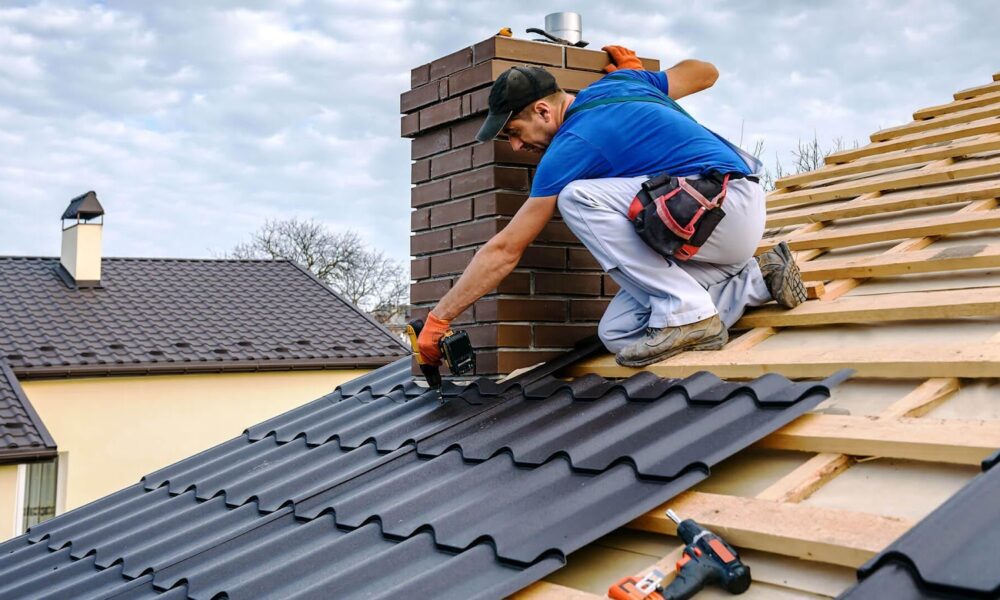
Most individuals don’t mind their roofs until a few drops of water strangely find their way to the kitchen floor. And this is only natural, considering that the roof is above you, hidden from view, and if there is nothing glaringly wrong, it is quite easy to assume that it is all in order.
However, roofs hardly ever give a heads-up with a show when they are on the verge of collapse. They give small ones, quietly, over a long stretch of time. The homeowners who avoid the really expensive problems are the ones who catch those small signs early. If your roof needs replacement, getting help from Look Family Roof Replacement can save your home before the next big storm rolls through the panhandle.
Age Alone Is Reason Enough to Look Closer
There’s a reason roofing contractors ask about the age of the roof before they examine anything else. Asphalt shingles – what most homes in the area have – hold up for about 20 to 25 years under normal conditions. Then, the materials continue to deteriorate, even if, to the eye of a layman, everything on the street side seems fine. It’s time for a thorough inspection, not just a quick “band-aid,” if the roof has been patched several times over the years and is now nearing the end of its lifespan for the type of roofing. After some point, the whole system is simply worn out, and even continuous patching cannot reverse that.
What do the Shingles Actually Look like up Close?
Standing in the driveway doesn’t show much. Getting a closer look or having someone do it tells a completely different story. Shingles that are curling up at the corners or cupping in the middle have moisture working against them. Ones that look cracked or feel brittle are past done. And patches of shingles that look darker or shinier than the surrounding area have lost their granule coating, the layer that actually shields the material from sun and rain damage.
The gutters are worth checking, too. If you notice a thick accumulation of gritty, sand-like granules near the downspouts, it means that the shingles are deteriorating more rapidly than they should. It is not a repair problem; instead, it’s a sign of the material’s aging.
Water Showing Up Where It Shouldn’t
A damp spot on the attic floor after heavy rain. A ceiling stain that keeps coming back, no matter how many times it gets painted over. Bubbling or peeling paint along a wall near the roofline. None of that is a coincidence, and none of it fixes itself.
One isolated leak might trace back to a single bad shingle or a flashing problem. That’s manageable. But when moisture keeps finding its way in or shows up in more than one spot, that’s the roof failing in a broader way. That’s the conversation where the Look Family roof replacement stops being a distant consideration and starts being the practical answer.
Sagging Is Never a Small Problem
A roofline that dips or a section of the deck that gives slightly underfoot means the structure beneath the shingles has been holding moisture long enough to weaken. That’s not cosmetic damage – that’s the bones of the roof starting to go. It doesn’t stabilize on its own. Every rainstorm adds to it.
Utility Bills Creeping Up for No Clear Reason
Bad roofs don’t insulate the way they should. When the materials deteriorate, and ventilation suffers, conditioned air escapes, and outside air gets in. Heating and cooling systems end up working harder to compensate, and the bills reflect it, usually before the roof damage becomes visible anywhere else.
Small Signs Have a Way of Becoming Big Repairs
Nothing on this list is subtle once it’s gone far enough. The trick is catching it before that point. A straightforward inspection from Look Family roof replacement shows exactly where things stand, and more often than not, early action costs a fraction of what waiting around eventually leads to.