
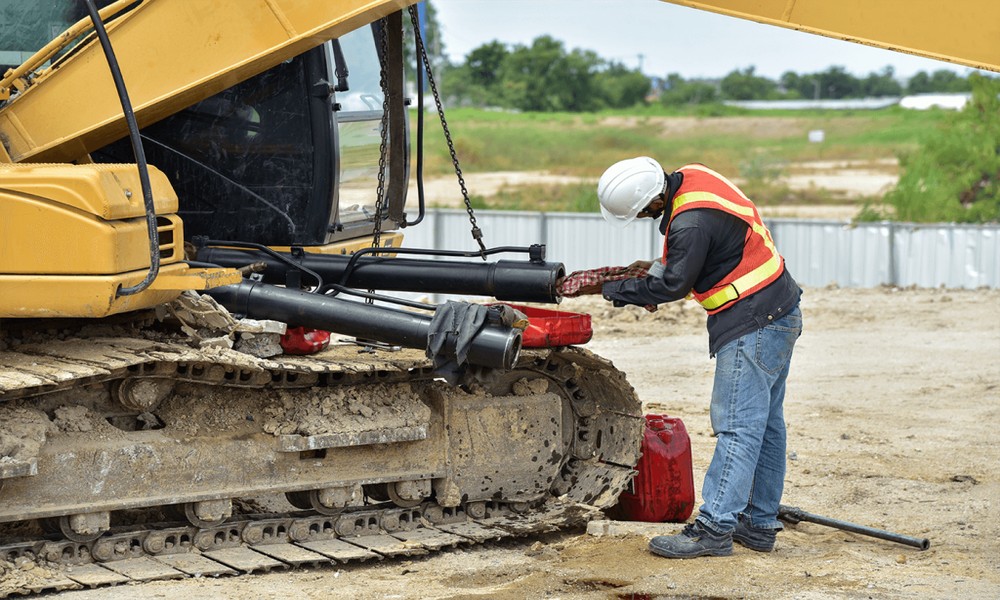
Investing in agricultural machinery is a major decision that directly affects productivity, efficiency, and long-term operating costs. Heavy-duty equipment is built to handle demanding workloads, but not every option will suit every farm or project. Careful evaluation before purchasing helps avoid unexpected downtime and ensures that the equipment supports daily operations without unnecessary strain.
In regions where farming conditions vary widely, selecting the right machinery becomes even more important. Buyers searching for Heavy-duty ag equipment in DFW area should pay close attention to specifications, durability, and compatibility with existing tools. A thoughtful approach reduces risk and helps ensure that the equipment delivers consistent performance under real working conditions.
Assess Equipment Performance And Build Quality
Understanding how well the equipment performs under pressure is essential before making a purchase. Machines designed for heavy-duty tasks must operate reliably across different terrains and workloads without compromising efficiency.
Key Performance Checks
- Engine capacity should match the scale of operations and expected workload.
- Hydraulic systems must respond smoothly and maintain consistent pressure.
- Transmission functionality should support both power and precision tasks.
- Cooling systems need to handle long hours without overheating.
Structural And Material Considerations
- Frames and components should be constructed from high-strength materials.
- Welds and joints must appear uniform and free from visible defects.
- Wear-prone areas should include reinforcements or protective coatings.
- Tires or tracks should be suited for soil conditions and usage frequency.
Durability plays a critical role in reducing maintenance costs. Equipment that shows strong construction standards tends to perform better over time and withstands repetitive use without frequent repairs.
Evaluate Compatibility And Operational Fit
Heavy-duty machinery must integrate seamlessly into existing workflows. A mismatch between equipment capabilities and farm requirements can lead to inefficiencies and unnecessary adjustments.
Match Equipment To Farm Needs
- Equipment size should align with available storage and maneuvering space.
- Attachments and implements must be compatible with current systems.
- Fuel type and consumption should fit within operational budgets.
- Control systems should be intuitive and easy to manage.
Operator Comfort And Safety
- Cab design should provide clear visibility and ergonomic controls.
- Safety features must include reliable braking systems and protective structures.
- Noise and vibration levels should remain manageable during long hours.
- Accessibility for routine checks and maintenance should be straightforward.
Buyers exploring Heavy-duty ag equipment in DFW area should also consider how the machinery performs in local environmental conditions. Soil type, weather patterns, and terrain all influence how well equipment operates over time.
Review Maintenance Requirements And Long-Term Value
Maintenance needs sometimes determine the true cost of ownership. Equipment that requires frequent servicing or hard-to-find parts can disrupt operations and increase expenses.
Regular service intervals should be clearly defined and manageable within existing schedules. Access to replacement parts and service support plays a significant role in minimizing downtime. Machines designed with easy access to key components simplify inspections and reduce repair time.
Resale value is another factor worth considering. Equipment that maintains its condition and performance over time sometimes retains higher value, making it a more practical long-term investment.
How To Find Qualified Experts For Heavy-Duty Equipment Evaluation
Qualified equipment specialists conduct detailed inspections that reveal mechanical condition, structural integrity, and operational readiness before purchase. Their assessments cover engine performance, hydraulic systems, and wear-prone components, helping ensure the machinery can handle demanding agricultural tasks without unexpected issues. Clear, expert evaluation supports informed decisions and reduces long-term maintenance risks.
Choosing heavy-duty agricultural equipment requires attention to detail and a clear understanding of operational needs. Evaluating performance, build quality, compatibility, and maintenance factors ensures that the investment supports productivity without added complications. Careful selection leads to equipment that performs reliably, handles demanding tasks, and contributes to smoother daily operations.