
Proper drainage is a critical yet often overlooked aspect of landscape design. Without it, water can accumulate in unwanted areas, leading to lawn damage, plant disease, erosion, and even foundation issues. That’s why more homeowners are turning to experts in landscape drainage in Alpharetta to help protect their yards and enhance their outdoor environments. A well-designed drainage system not only prevents waterlogging but also supports long-term landscape health and functionality.
In areas that experience frequent rainfall or have clay-heavy soil, professional drainage solutions are vital for keeping water moving and preventing stagnant buildup.
Why Waterlogging Happens and What It Affects
Waterlogging occurs when the soil becomes oversaturated and cannot absorb or drain excess moisture efficiently. This often results from compacted soil, improper grading, or blocked drainage paths. When water has nowhere to go, it collects at the surface or just below, creating an environment where roots suffocate, grass thins out, and mold or fungus can thrive.
The consequences go beyond plant health. Prolonged saturation can degrade hardscape materials, flood low-lying areas, and weaken the structural integrity of outdoor features. Recognizing the early signs, like pooling water, soggy soil, and yellowing leaves, can help prevent widespread damage.
How Proper Drainage Protects Your Landscape
The role of drainage goes far beyond simply removing excess water. A strategic system ensures moisture is evenly distributed and directed away from sensitive areas, preserving both the beauty and function of your outdoor space.
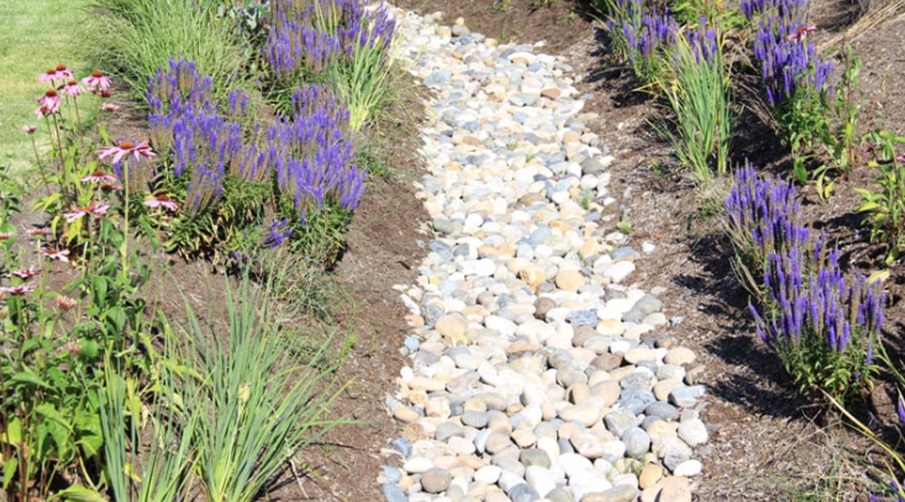
Professionals often emphasize essential tips and techniques for creating a strong landscape drainage system, such as incorporating slope adjustments, using French drains or dry creek beds, and installing gravel trenches for enhanced infiltration. These solutions are customized based on the specific layout, soil type, and drainage goals of each property.
Even small fixes, like extending downspouts or redirecting runoff from paved surfaces, can significantly reduce waterlogging risks when paired with the right drainage strategy.
Drainage and Plant Health: The Unseen Connection
Healthy landscapes start from the ground up, literally. Excess water in the soil reduces oxygen levels, causing plant roots to rot and stunting their growth. Mulch erosion, weed overgrowth, and pest infestations are also common side effects of improper drainage.
By ensuring effective water flow, landscape systems support stronger, more resilient vegetation. The role of landscape drainage in enhancing plant health includes maintaining proper soil structure, balancing moisture levels, and preventing waterborne diseases that thrive in wet conditions.
Whether it’s flower beds, shrubs, or trees, proper drainage ensures that your investment in landscaping doesn’t wash away with the next rainstorm.
Conclusion
Water may be essential for life, but too much of it can wreak havoc on your landscape. Landscape drainage is more than just a utility; it’s a safeguard for your lawn, plants, and property structures. Investing in a well-designed system helps avoid the frustration and expense of water damage while supporting the long-term vitality of your outdoor space. A smart drainage plan ensures your yard remains dry, healthy, and beautiful year-round, no matter what the weather brings. Whether you’re building a new landscape or maintaining an existing one, professional drainage solutions offer the peace of mind that comes from knowing your property is protected, your plants are thriving, and your outdoor environment is built to last.