
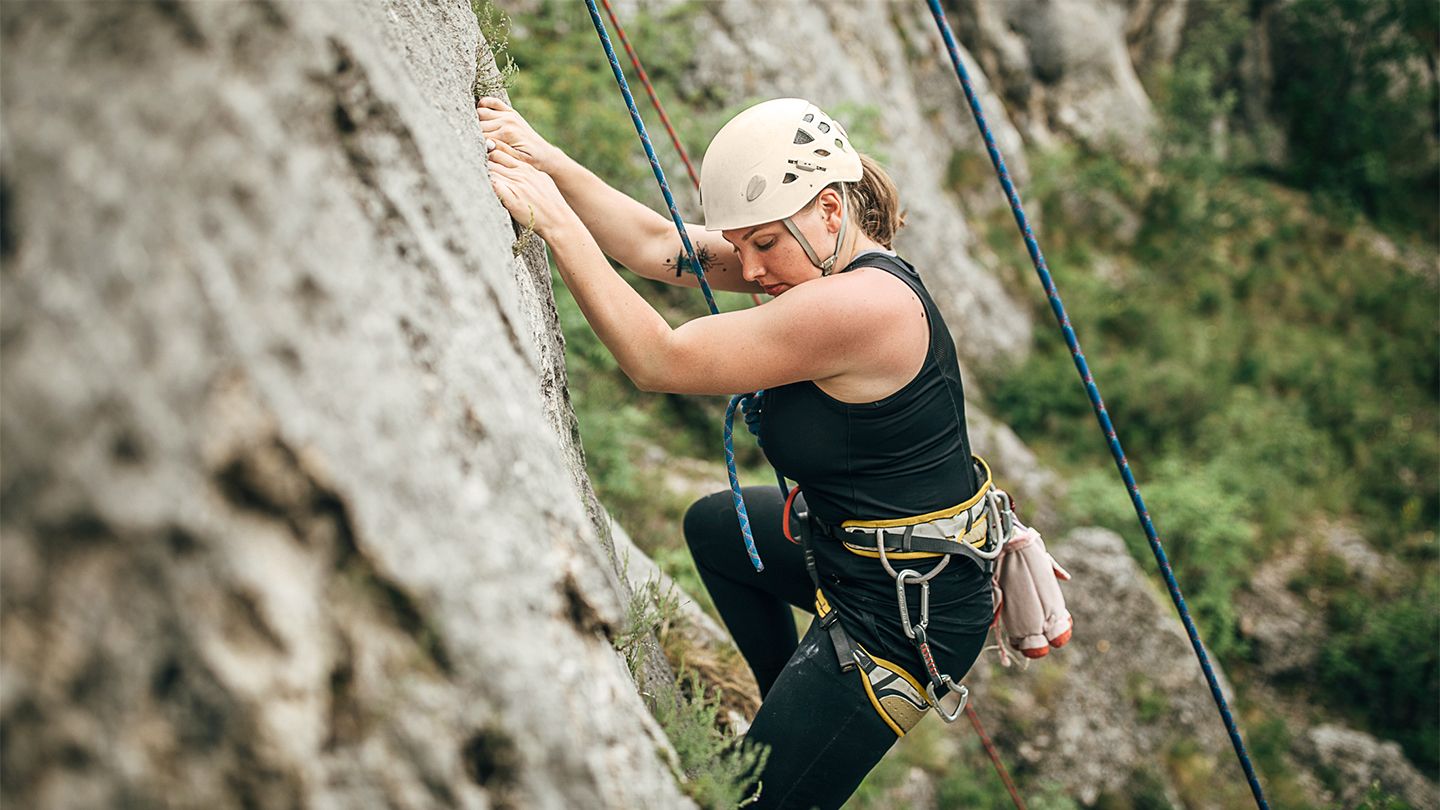
For climbers, grip strength is the foundation of performance. Whether you’re navigating a steep boulder problem or tackling an overhanging sport route, the ability to hold onto tiny edges and awkward holds can make or break your climb. That’s where training tools like climbing bar blocks come into play. These compact devices are revolutionizing how athletes train for the wall—both in terms of power and precision.
What Is a Climbing Bar Block?
A climbing bar block is a portable grip-training tool designed to target finger, hand, and forearm strength. Typically made of wood or resin, the block is small enough to fit in your gym bag yet powerful enough to challenge even elite climbers. It can be suspended from pull-up bars, door frames, or gym rigs, offering a focused, versatile training method.
Why Grip Strength Matters in Climbing
Your grip is your lifeline on the wall. In climbing, “grip strength” refers to more than just holding power—it includes contact strength, finger endurance, and the ability to resist fatigue during long climbs. Strong hands and fingers allow climbers to:
- Hold onto smaller or more slippery holds
- Maintain better body positioning
- Conserve energy for longer routes
- Prevent injuries by supporting tendons and muscles
How Climbing Bar Blocks Enhance Grip Training
Climbing bar blocks are designed to mimic real climbing holds while offering a controlled way to strengthen specific muscle groups. Here’s how they work their magic:
1. Targeted Finger Engagement
Unlike general fitness tools, bar blocks isolate finger tendons and ligaments. This targeted focus helps build the small muscles essential for climbing.
2. Variety of Grip Types
Most blocks feature multiple grips—edges, pockets, pinches—allowing climbers to train for different types of rock and routes.
3. Adjustable Difficulty
Many blocks allow for adding weight or adjusting angles, making them suitable for climbers of all levels.
4. Focus on Form and Precision
By training with bar blocks, climbers learn to control their body tension and hand positioning—skills that translate directly to better climbing technique.
Techniques and Drills for Better Grip
Some of the most common training methods using a climbing bar block include:
- Dead Hangs: A foundational exercise for building static grip strength.
- Timed Intervals: Alternating hangs and rests to improve endurance.
- Weighted Pulls: For developing maximum finger strength and control.
- Offset Grips: To work on balance and strength asymmetry between hands.
Integrating into a Climber’s Training Routine
Climbers should start slow—overtraining with grip-specific tools can lead to injuries like tendonitis or pulley tears. Begin with shorter sessions and gradually increase intensity. Many athletes use climbing bar blocks as part of a warm-up or supplementary strength routine, especially when they can’t access a full climbing wall.
One example of an ideal setting to explore climbing-specific training tools is salle d’escalade Vertical Bloc, a leading indoor climbing facility that emphasizes both skill development and physical conditioning. By incorporating bar blocks and similar devices, they help climbers of all levels enhance their performance safely and effectively.
Advantages Beyond the Wall
Training with bar blocks not only improves climbing ability but also translates to better general hand and upper body strength. It can be useful for athletes in obstacle racing, calisthenics, and any sport requiring grip power.
Safety First: Smart Training Habits
To avoid injury:
- Always warm up before using a bar block
- Avoid back-to-back training days focused solely on grip
- Listen to your body and rest when needed
- Seek guidance if you’re new to climbing-specific training
Conclusion
Climbing bar blocks are a valuable addition to any climber’s toolkit. Compact, effective, and versatile, they offer a powerful way to improve grip strength and fine-tune climbing technique. Whether you’re a beginner aiming for your first V4 or an advanced climber pushing into double-digit grades, bar block training can be the edge you need—literally and figuratively.