
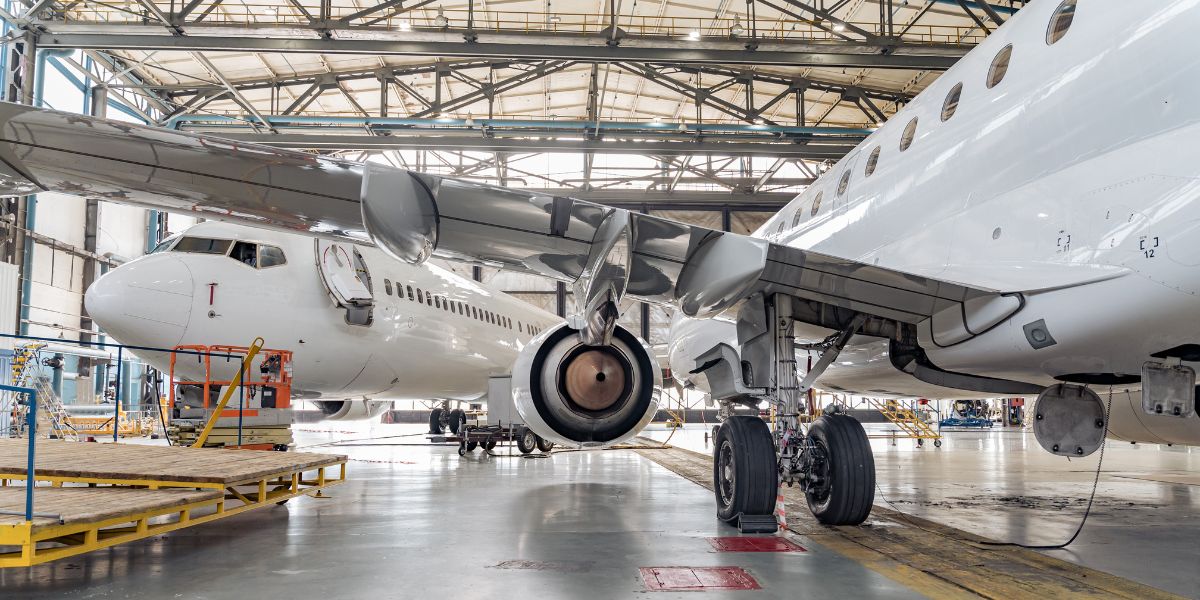
Smooth flights are resulted by thousands of small details. Aircraft components meticulously conceived by engineers help to maintain equilibrium, provide control, and guarantee safety from takeoff to touch down. Although a passenger can only observe the comfort of a seat and the smooth of a landing, a professional knows that the true heroes are often the parts that are never seen.
In this article, we try to discuss various aircraft parts, but with a reframed sort of approach that ensures reliability and function comes first and foremost, and everything clear and simple.
But Why Changes in the Manufacturing Process?
Firstly, aircraft work in an environment much tougher than most machines operate in. Materials have to endure the limits imposed by high altitude, extreme temperatures, vibration, and repeated stress cycles.
As a result, aircraft components have to pass rigorous criteria of:
Strength
Durability
Weight control
One weak link can break the whole chain.
How Aircraft Parts are Organized?
Parts in an aircraft are not separated according to where they are used, but what they do. This allows engineers to monitor maintenance and safety.
Flight Control Parts
These parts enable pilots to both control and balance the plane.
Key examples include:
- Control cables
- Actuators
- Rudder and elevator systems
Precise movement is essential. Handling is impacted even in small amounts of use.
Structural Aircraft Parts
They create the main structure of the aircraft.
They include:
- Fuselage sections
- Wings
- Internal support frames
Structural parts used in an aircraft have to bear not a lot of stress and be lighter.
Power and Fuel System Parts
Power systems depend on reliable components which function under high stress.
Important aircraft parts here include:
- Fuel pumps
- Valves
- Engine mounts
These components provide consistent operation as well as safe fuel distribution.
Life Cycles of Aircraft Parts
Different types of parts are not meant to last for the same duration.
Short-Life Parts
These are replaced regularly:
- Filters
- Seals
- Gaskets
Life-Limited Parts
These have fixed usage limits:
- Engine rotors
- Landing gear components
- Critical fasteners
Tracking service time is mandatory. Guesswork is not allowed.
Why Certification Matters
Everyone recognizable thing made from billable components must:
- Tested for fatigue and failure
- Traceable to approved manufacturers
- Installed according to strict procedures
By principle it is doubtful, however, in regulated aviation systems it is actually unsafe and illegal boilerplate to install uncertified parts.
Maintenance Keeps Aircraft Parts Safe
All parts wear out eventually, no matter how strong.
Routine maintenance includes:
- Visual inspections
- Functional testing
- Scheduled replacements
Having this constant supervision ensures that minor problems do not grow into big breakdowns.
Hidden Cost of Bad Quality Parts
It goes without saying that cheaper, unapproved aircraft parts will bring down short-term costs while increasing long-term risk. Shoddy materials wear out quickly, break down early, and create safety issues that more than negate any cost advantage.
Aviation is unforgiving. Precision always beats shortcuts.
Final Thought
Safety in aviation is not reliant on a single system or a single piece of equipment. This is reliant on the performance and error-free functionality of thousands of aircraft parts. Provided those components are adequately designed, certified, and maintained on schedule, flying is still one of the safest ways to travel.
And it is not some sort of engineering, it is discipline, one part at a time.