
Drive ten minutes out of downtown Westminster in almost any direction and the gas meters start to disappear. Along Route 97, Route 140 and the back roads toward Taneytown, Hampstead, Manchester and Union Bridge, most houses heat with something that arrives by truck or by wire. There is usually an oil tank in the basement, a propane tank beside the driveway, or a row of baseboard heaters paired with an aging heat pump. That single fact shapes nearly every heating decision a rural homeowner faces, from which repair is worth the money to which replacement actually fits the house.
For families sorting through those choices, AJB Mechanical Heating and Cooling is a Westminster contractor that installs and repairs boilers, furnaces, heat pumps and air conditioners for homes and businesses alike, and it starts any replacement conversation by examining the existing unit before recommending anything new. That order of operations matters more out here than it does in town, because the right answer depends heavily on what the house already has.
Pipes or Ducts Settle Most of the Argument
Before anyone compares fuels, it helps to look at how heat moves through the house. Carroll County’s housing stock splits roughly three ways. Old farmhouses often carry cast iron radiators fed by a boiler. Ranchers and split levels from the 1960s and 1970s frequently run hot water baseboard along the outside walls. Newer colonials in subdivisions built from the 1990s onward usually have ductwork tied to a furnace or heat pump.
A home with ducts can switch between furnaces and heat pumps with relatively little disruption. A home with hydronic pipes and no ducts cannot, at least not cheaply. Adding ductwork to a plaster-walled farmhouse means opening ceilings and closets, and many owners would rather not. So the distribution system quietly narrows the menu long before price or efficiency enters the picture.
Giving an Oil Boiler a Few More Winters
A well kept oil boiler can run 25 years or more, and plenty in this county are older than that. What keeps them going is annual service. A technician replaces the nozzle and oil filter, brushes soot out of the heat exchanger, checks combustion and confirms the burner lights cleanly. Skip a year and soot builds up, efficiency slides, and the burner becomes more likely to lock out on the coldest night of January.
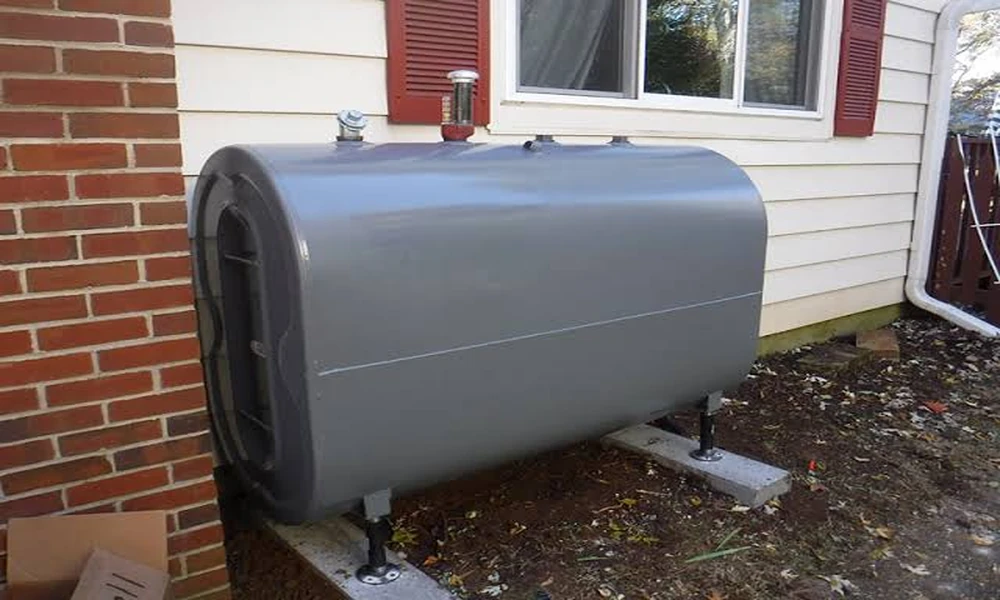
The tank deserves as much attention as the boiler. Look for rust on the seams, damp spots underneath, or legs sitting on a crumbling slab. Buried tanks are a bigger worry, since a leak can go unnoticed for years and some insurers and buyers treat them as a red flag.
When the boiler finally needs replacing, owners have more paths than they used to. The U.S. Department of Energy notes that air source heat pumps now come in a version that produces hot water rather than warm air, which can feed radiant floors. The catch is that older baseboard was sized for water near 180 degrees, hotter than most of these units deliver efficiently. That often means keeping a boiler as backup, adding more radiation, or pairing the boiler with ductless mini splits. In that last setup the mini splits handle spring, fall and summer cooling, while the boiler covers the deep cold.
Propane and the Two Fuel Approach
Homes heated by a propane furnace already have ducts, which opens a practical option called dual fuel. A heat pump sits outside and does most of the heating through the mild stretches of a Maryland winter. When temperatures drop below a set point, the system hands the load to the propane furnace. Central Maryland sees long runs of 30s and 40s with only occasional dips into single digits, which suits this split nicely.
Cold climate heat pumps keep producing useful heat well below freezing, so the propane backup may only run a handful of weeks each year. That cuts deliveries and softens the sting when propane prices jump in midwinter. It is also worth checking whether the tank is owned or leased, since a leased tank usually ties the household to one supplier’s pricing.
Electric Homes and the Auxiliary Heat Trap
All electric houses in the county often rely on a heat pump with electric strip heat behind it. When the heat pump ages or its refrigerant charge runs low, the strips start doing the real work, and the electric bill climbs fast. A thermostat showing “aux heat” on a 40 degree afternoon is the giveaway.
Newer variable speed heat pumps rarely need those strips except during real cold snaps. Duct condition matters too. Leaky runs through an unconditioned attic or crawl space can waste a surprising share of the output, and sealing them often helps as much as upgrading equipment. Better attic ventilation also trims summer cooling costs by keeping that space from baking.
The Panel, the Well Pump and the Next Ice Storm
Rural homes carry electrical loads that town houses don’t. Before adding a heat pump or swapping fuels, it helps to tally what already draws from the panel.
- A well pump that kicks on whenever someone runs water
- An electric water heater, which is common in homes without gas
- Electric strip heat that can pull a large share of a 100 amp service on its own
- Shop equipment, freezers or a car charger in a detached garage
Many older homes still run on 100 amp service, and a heat pump plus backup strips can push that limit. An electrician’s load calculation answers the question quickly.
Power outages are the other rural reality. Ice storms and wind take down lines across northern Carroll County more often than in the denser suburbs, and repairs can take days. An oil boiler or propane furnace needs only a small amount of electricity for its controls and blower, so a modest portable generator can keep the house warm. A heat pump alone needs a much larger standby unit. That is one reason many owners keep a combustion system as backup even after going mostly electric. Any home burning oil or propane should also have working carbon monoxide alarms near sleeping areas and on each level.
Making the Choice in the Right Order
The smoothest heating decisions in rural Carroll County follow a sequence. Start with how heat travels through the house, then weigh which fuel makes sense, then confirm the electrical service and outage plan can support it. Homeowners who flip that order tend to buy equipment that fights the house rather than fitting it. Whatever ends up in the basement, having it checked just before the heating season and again before cooling season keeps small faults from turning into a cold night with no heat.