
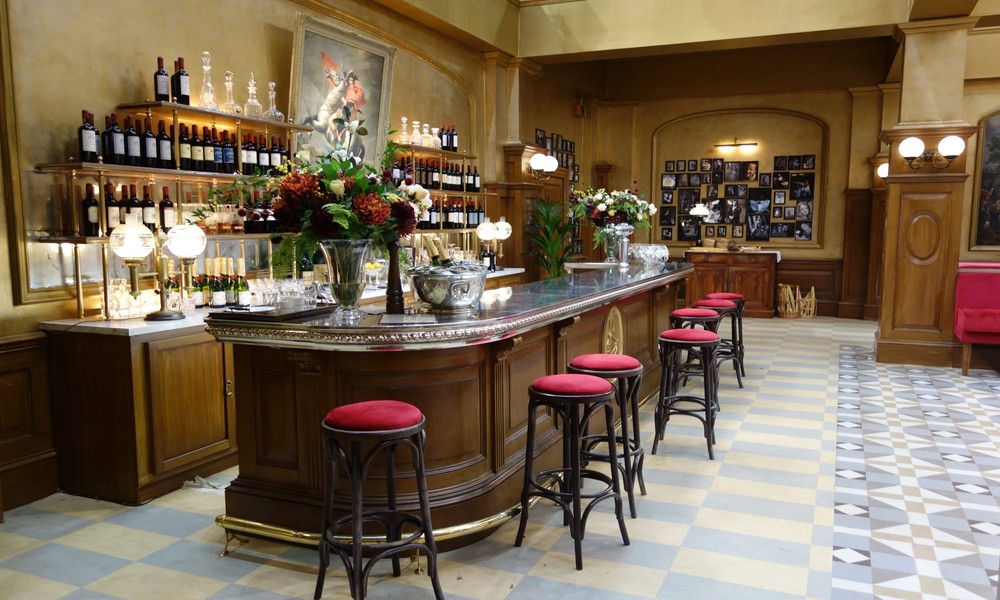
A bar is never the same. It may be quiet and relaxed in the morning or early afternoon. It can transform into a lively, active space with activity and discussions by evening. It is this constant change that makes bar design so interesting – and challenging.
In order to cope with this transition effectively, the space needs to be designed to be flexible. The furniture is a big part of that, particularly the tables. If selected appropriately, they will help to keep the bar comfortable, orderly and balanced in appearance, even during peak hours.
A bar needs to adapt to change on a regular basis.
A bar should be able to handle a lot of different situations in one day as opposed to a fixed environment such as an office or a home. This could be a couple having a quiet drink one moment, and a group of people celebrating a special occasion the next.
When the layout is too tight, the space becomes uncomfortable very easily during “peak hours”. It can be difficult for both the customer and staff to move around between tables. That is why flexibility wasn’t an option, it was a must have!
A good layout will allow the space to adapt itself as needs evolve.
How adaptability is important in furniture choice.
Furniture is more than just decoration in the hustle and bustle of a hospitality setting. It has to be able to improve movement, speed of service, and comfort to the customers. This is even more crucial in bars where the amount of individuals could vary over a few minutes.
If the tables are too large, they may not make the most efficient use of space during quiet time. Very small tables will be cramped when traffic is heavy. The aim is to achieve a balance in a range of situations.
That’s where it’s crucial to have the right kind of versatile bar tables. They are an ideal option for bar owners who want to make the perfect layout changes without losing comfort or style. Rather than set up a single structure, the space is flexible and responsive.
Space planning is the influencing factor
The layout of tables in a bar can have a significant impact on the atmosphere within the establishment. Placing tables too near each other can cause the patrons to feel cramped or to be disturbed by other conversations that are close by. They will appear too distant if they are separated too far, and will lack in engagement.
Appropriate spacing makes an area comfortable and private, yet energetic. It also allows staff to move around easily and increases service speed and minimises delays.
Just a simple adjustment in the room’s arrangement can alter the ambiance of the room throughout the day.
The movement of a seat is as important as its seating.
The one thing that’s often missed in bar design is the flow of movement. There should be clear walkways for customers and employees to pass through the area.
Without taking into account the flow, tables will create areas of congestion around the bar counter, entrances, or service areas. This not only slows down operations, but customer comfort will also be impacted.
A well-planned layout makes it easy for people to move about without feeling constrained or hurried. This is even more crucial when it comes to peak time when every second counts.
Social energy and personal space.
Bars are social areas, but not all customers want to be social. Some people may join in groups, others in a corner.
Good design of a table aids in achieving this balance. The bigger the table, the more group energy it carries, the smaller the table the more private it will be. If used together, the bar becomes a more welcoming place.
This equilibrium is the reason why customers are persuaded to stay longer and come back more regularly.
Flextime boosts flexibility, streamlines daily operations.
Flexibility means more than just customer comfort to a business. It also makes it easier for staff to work more efficiently.
Tables that are easy to rearrange make cleaning up quicker, sitting up easier and space available for various events or peak hours. This helps to minimise stress on the busiest shifts and enhances service quality.
A flexible layout also enables owners to try out new configurations over time, according to actual customer behaviour.
The atmosphere is still defined by design.
While function is key, design is also an integral component of bar interiors. Visually appealing and cohesive spaces are naturally appealing to customers.
The atmosphere is created by using table materials, shapes and finishes. Wood can add a soothing, inviting touch, whereas metal and darker hues can offer a sleeker, more upscale appearance.
In the case of design & function, the space is comfortable and memorable.
Designing a place which changes over time
The best bars are not ‘set’. They change daily and adjust to various kinds of customers. This flexibility is key to their long-term success.
Furniture has been a key element of this change. It helps to utilize the same space for various functions without substantial modifications or redesign.
Whether it’s a quiet or packed bar, a well-planned layout creates an appropriate atmosphere at all times.
Bringing everything together
Making a bar that can accommodate different numbers of people is more than just filling the space with tables and chairs. It’s concerned with designing a system that operates efficiently in a constantly shifting environment. From layout to furniture style, everything you choose will have an impact on the performance of the space.
If performed properly, it is a natural, efficient and pleasant bar for any hour of the day.
Companies that get this will typically depend on well-designed furniture solutions. Furniture businesses, like Cafe Furniture Company, offer business level alternatives that can be as versatile and long-lasting as in an actual hospitality setting. They have a range of furniture that uses to help bars and cafes to adapt easily, while maintaining a strong and recognizable identity. For more information, visit Cafe Furniture Company.