
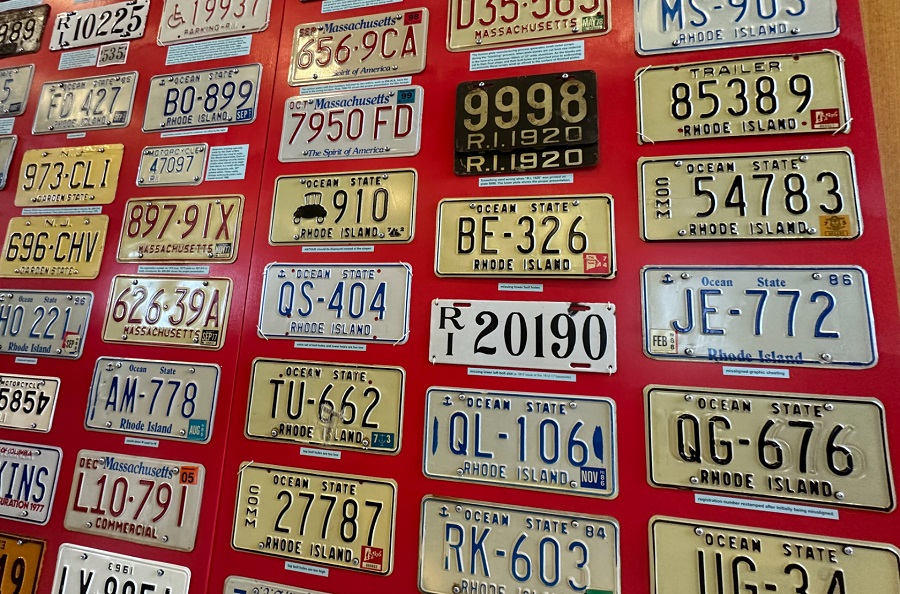
License plate collecting has evolved from a niche hobby into a recognized segment of automotive history preservation. In the United States, enthusiasts trade, display, and study plates not only for their designs but also for what they reveal about state policy, manufacturing methods, and regional culture. Maryland has long been a particularly interesting state for collectors because its plates reflect decades of design changes, materials experimentation, and specialty issues tied to government programs and organizations.
For beginners entering the hobby, the learning curve can be steep. New collectors often focus on the most visible aspects such as color schemes or the age of a plate, while overlooking smaller details that determine authenticity, value, and rarity. Dealers who work with collectors every day often see the same mistakes repeated, especially by people who are just starting to build a collection.
A specialist at ShopLicensePlates notes that many beginners underestimate how much variation exists within a single state’s production runs. According to the dealer, even experienced hobbyists are sometimes surprised by how many small design differences appear across years and plate series. The specialist advises collectors to study authentic Maryland license plates carefully before making purchases, paying attention to manufacturing marks, reflective coatings, and state-issued variations that are easy to overlook in photos.
Understanding the subtleties behind these differences can make the hobby more rewarding and prevent costly mistakes. Dealers who regularly work with collectors point to several recurring gaps in knowledge that tend to separate beginners from more seasoned enthusiasts.
The Historical Context Behind Plate Designs
One of the first things new collectors overlook is the historical context behind plate designs. Many people assume a license plate’s appearance is simply a matter of style, but in reality each design reflects administrative decisions, technological capabilities, and sometimes political priorities.
Maryland provides an excellent example of this pattern. Over the decades the state has moved through several major plate design phases, each tied to changes in manufacturing techniques or vehicle registration systems. Earlier plates from the mid-20th century were often stamped from heavier steel and painted with relatively simple color combinations. Later versions introduced aluminum construction, reflective sheeting, and more complex color layering.
Collectors who focus only on visual appeal often miss the significance of these transitions. For example, the introduction of reflective backgrounds was not merely aesthetic. It was tied to highway safety initiatives that encouraged states to improve nighttime visibility. Plates that mark the early years of this transition can carry additional historical value because they represent a turning point in manufacturing standards.
Another commonly missed detail involves registration cycles. Some states redesigned plates annually for a period of time, while others reused base designs with renewal stickers. Without understanding these systems, a beginner might assume two similar plates are identical even though they belong to entirely different production eras.
Seasoned collectors typically research legislative records, department of motor vehicles archives, and collector catalogs before making purchases. These resources explain why certain plates exist and help determine whether a particular item represents a routine issue or a short-lived experimental design.
For someone new to the hobby, learning this historical background provides context that goes far beyond the plate itself. It turns a simple piece of metal into a documented artifact tied to a specific moment in transportation history.
Variations Within the Same Series
Another detail beginners frequently miss involves subtle variations within the same plate series. At first glance, two plates may appear identical, but collectors who look closely often find small differences that affect rarity and desirability.
These differences may involve font styles, spacing between characters, bolt hole placement, or reflective materials. Manufacturing changes during a production run sometimes led to slight alterations in stamping dies or paint formulas. When these changes occurred mid-cycle, two versions of what appears to be the same design were produced.
For collectors of maryland license plates, this issue appears frequently in multi-year base designs. A single design might remain in circulation for several years while the state updated reflective coatings or switched suppliers for aluminum blanks. Those updates can create distinct sub-variants that experienced collectors actively seek.
Lettering styles offer another example. In some production runs, the shapes of letters such as “M” or “R” can vary slightly due to changes in stamping equipment. These small differences might go unnoticed by someone casually browsing online listings, yet they can significantly influence the perceived rarity of a plate.
Condition also interacts with these variations. Two plates from the same year may differ in value if one retains its original reflective surface while the other shows signs of repainting or restoration. New collectors sometimes assume restoration automatically increases value, but in the license plate hobby originality often carries greater weight.
Learning to identify these distinctions takes time. Many collectors eventually rely on reference guides or join collector associations where experienced members share photos and documentation. Over time, recognizing these subtle variations becomes part of the skill set that defines an advanced collector.
The Role of Specialty and Organizational Plates
Many beginners believe license plate collecting revolves entirely around standard passenger vehicle plates. In reality, specialty and organizational plates represent a large and diverse segment of the hobby.
Maryland has issued numerous specialty plates supporting universities, charities, environmental programs, and military organizations. These plates often include unique graphics, color combinations, and numbering systems that distinguish them from standard issues.
Because specialty plates are sometimes produced in smaller quantities, they can become desirable collector items over time. However, new collectors frequently overlook them because they assume the most valuable plates are simply the oldest ones available.
In many cases, scarcity rather than age determines long-term interest. Some specialty programs lasted only a few years before being discontinued. Plates from these short-lived initiatives may have far smaller production totals than standard designs that remained in circulation for decades.
Another overlooked aspect involves prototype or early-run versions. When a new specialty plate program launches, the first batch may contain design elements that are later modified. These early examples sometimes feature slight color adjustments, updated logos, or revised numbering formats in later production.
For collectors interested in maryland license plates, specialty issues provide an opportunity to explore how government agencies collaborate with nonprofit organizations. Each design reflects a particular initiative or community partnership, adding another layer of historical context to the hobby.
Collectors who expand beyond standard passenger plates often find that specialty issues introduce a wider range of artistic designs. They also offer opportunities to focus a collection around specific themes such as education, wildlife conservation, or military service.
Why Condition Matters More Than Age
A common misconception among beginners is that older license plates automatically hold more value. In practice, condition plays an equally important role and sometimes outweighs age entirely.
Collectors evaluate several aspects of condition when assessing a plate. These include paint quality, reflectivity, structural integrity, and the presence of rust or corrosion. Even minor flaws such as extra mounting holes or bending around the edges can significantly affect value.
Environmental exposure is a major factor. Plates that spent years attached to vehicles often show wear from road debris, weather, and repeated handling. In contrast, plates that were never used or were stored properly may retain nearly factory-level appearance even after several decades.
For collectors focusing on maryland license plates, reflective coatings introduced in later decades create an additional consideration. Over time, reflective materials can fade or lose their brightness if exposed to sunlight for long periods. Plates with intact reflective layers are therefore more desirable to collectors who prioritize originality.
Restoration remains a controversial topic in the hobby. While repainting or straightening a plate can improve its visual appearance, many collectors prefer items that retain their original finish. Restoration can sometimes remove subtle manufacturing details that help identify authentic production runs.
Experienced collectors often recommend patience when searching for high-quality examples. Rather than purchasing the first available plate from a particular year, waiting for a well-preserved example can result in a more valuable and historically accurate collection.
Understanding the importance of condition also helps collectors avoid overpaying for heavily worn plates that appear rare but lack the quality most enthusiasts expect.
Storage and Preservation Mistakes Beginners Make
Even after purchasing a plate, new collectors sometimes make mistakes in how they store and display their items. Poor storage conditions can cause gradual damage that reduces both aesthetic appeal and long-term value.
Humidity is one of the biggest risks. Metal plates stored in damp environments can develop rust or corrosion, especially around bolt holes or edges where protective coatings may be thinner. Collectors who live in humid climates often use sealed containers or climate-controlled rooms to prevent moisture exposure.
Sunlight presents another challenge. Extended exposure to ultraviolet light can fade paint and degrade reflective materials. Plates displayed near windows or in brightly lit areas may lose their original color intensity over time.
Handling practices also matter. Oils from hands can gradually affect painted surfaces, particularly on older plates with thinner coatings. Many collectors wear cotton gloves when handling rare or high-value pieces to minimize direct contact.
Display hardware is another overlooked detail. Some mounting systems require drilling or modifying plates, which permanently alters them. Collectors typically prefer display frames or magnetic mounts that avoid making new holes.
Beginners sometimes store plates stacked directly on top of one another. This can cause scratching or pressure marks if the plates shift during handling. Protective sleeves or dividers help prevent surface damage.
Preservation techniques may seem like minor considerations, but they play a critical role in maintaining the long-term condition of a collection. Plates that remain well-preserved over decades often become the most sought-after examples in the collector market.
How Experienced Collectors Approach the Market
The final point many beginners miss involves how experienced collectors approach buying and selling. The license plate market operates differently from many other collectible categories because rarity can depend on small details that are not immediately visible.
Seasoned collectors rarely rely on a single source when evaluating a plate’s value. They consult collector forums, historical catalogs, auction records, and dealer listings to understand how often a particular design appears on the market.
Networking also plays a significant role. Many rare plates change hands through collector associations or regional meetups rather than public listings. These networks allow collectors to trade duplicates, share research, and verify authenticity.
Timing can also influence purchasing decisions. Certain plates appear frequently during estate sales or large collection dispersals, temporarily increasing supply. Experienced collectors watch these patterns carefully and sometimes wait months or years before purchasing a specific item.
Another strategy involves focusing on a niche. Instead of attempting to collect every possible design, many enthusiasts specialize in a particular decade, plate type, or region. This approach allows them to build deeper expertise and recognize rare variations more quickly.
For collectors of maryland license plates, specialization might involve concentrating on a particular design era, organizational plate category, or manufacturing period. This targeted focus often leads to a more coherent collection and helps collectors identify overlooked pieces in auctions or dealer inventories.
Ultimately, the most successful collectors combine patience with research. They treat each plate not simply as a decorative object but as a historical artifact tied to transportation policy, manufacturing techniques, and regional identity.
As the hobby continues to grow, the collectors who invest time in learning these subtleties are often the ones who build the most meaningful and valuable collections over the long term.