
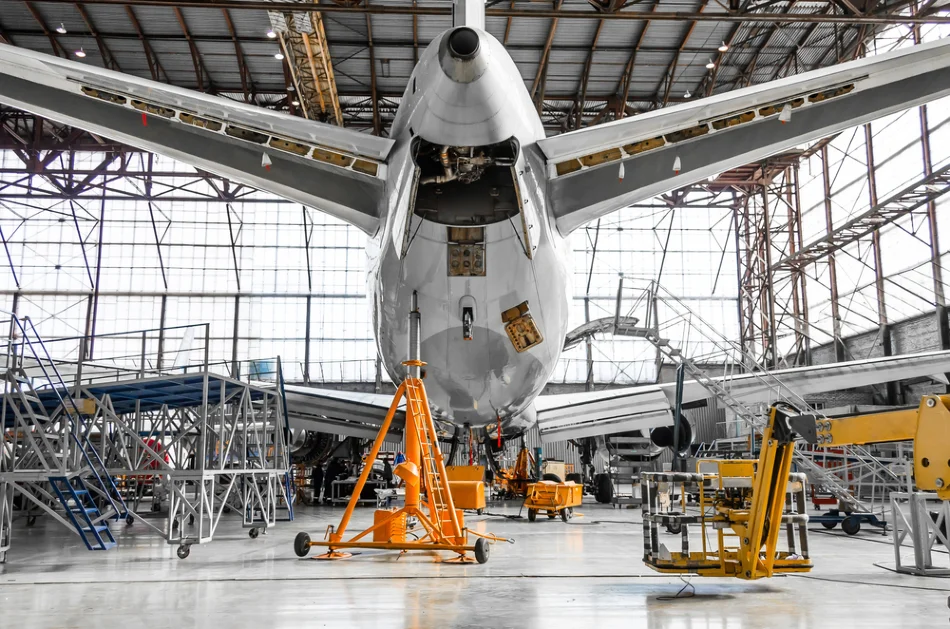
Precision, safety, and innovation form the foundation of the aviation industry. Manufacturers are always looking for new tricks to shed weight, improve production efficiency, and also enhance performance as aircraft continue to move toward increased complexity, making them more challenging (and expensive) to build. Among 3D printing in aviation technologies that is enabling this. This is no mere trend, it is a revolution that is changing the very way aircraft are designed, built, and maintained.
What Unmanned Fuselages Have Added to the Aviation (or 3D Printing) World
In aviation, lighter components produce less fuel consumption, greater range, and higher efficiency. Manufacturing has always been a restricting factor when thinking about designs, however not with 3D printing. With 3D printing, engineers can produce complicated structures, internal pathways, or tailored geometries impossible with standard molds or manufacturing.
With such versatility, 3D printing in aviation represents one of the biggest technological advancements to modern aerospace engineering.
Where Does Additive Manufacturing Play a Role in Development of Aircraft?
Another benefit of 3D printing (additive manufacturing) is the transition from the digital world to the physical world. The process begins with a detailed 3D design, which gives engineers the ability to fine-tune geometry and test simulations well before a part is made.
Layer-by-Layer Precision
Components are created using thin sheets of metal or polymeric material from 3D printers. Layers of each component are bonded, resulting in a final object with an astonishing level of accuracy.
Material Versatility
Typical 3D printing materials used in aviation include titanium, aluminum, and fire-resistant polymers. They need to endure brutal temperature and vibration extremes at high levels of stress all while being extremely lightweight.
Not only is this method faster, but it also allows for a lot more creativity in the design process.
Items and Elements 3D Printed So Far
The use of 3D printing in aviation is very much prevalent in the industry. Today, dozens of 3D-printed parts are found in an aircraft, with many operating in critical locations.
Examples include:
- Fuel nozzles
- Structural brackets
- Air ducts
- Cabin fixtures
- Sensor housings
Perhaps one of the most revolutionary applications is in the production of 3D-printed (and later metal) internal parts of jet engines. They are often lighter, more durable, and capable of withstanding harsh environments than parts manufactured through conventional means.
How 3D Printing is Revolutionizing Maintenance and Repair
It can be a pain when replacement parts take weeks to arrive for aircraft maintenance. Additive manufacturing offers a solution.
With 3D printing, airlines can:
- Create specialized tools on demand
- Produce rare or discontinued parts
- Speed up repairs
- Minimize downtime, increase fleet availability
This ability is particularly useful in aviation for forward operating sites or military engagements where spare parts are difficult to come by.
Why Sustainability Matters
Along with making aviation greener, 3D printing also contributes to this highlight.
Additive manufacturing supports sustainability through:
- Reduced material waste
- Shrunk parts that drive gas mileage
- Localized manufacturing which reduces transport emissions
For an industry looking to curb its carbon footprint, every increment we squeeze out counts.
Final Thoughts
Additive manufacturing, or 3D printing, has forced aviation to rethink its design, manufacturing and maintenance mindsets. Although every advancement has the potential to bring relief, it can do so with rapidity, ingenuity, and sustainability through and in a field that can and does respond decisively to these attributes. This is a technology that will remain important in the next generation of aircraft and for the future of flight.